-
·
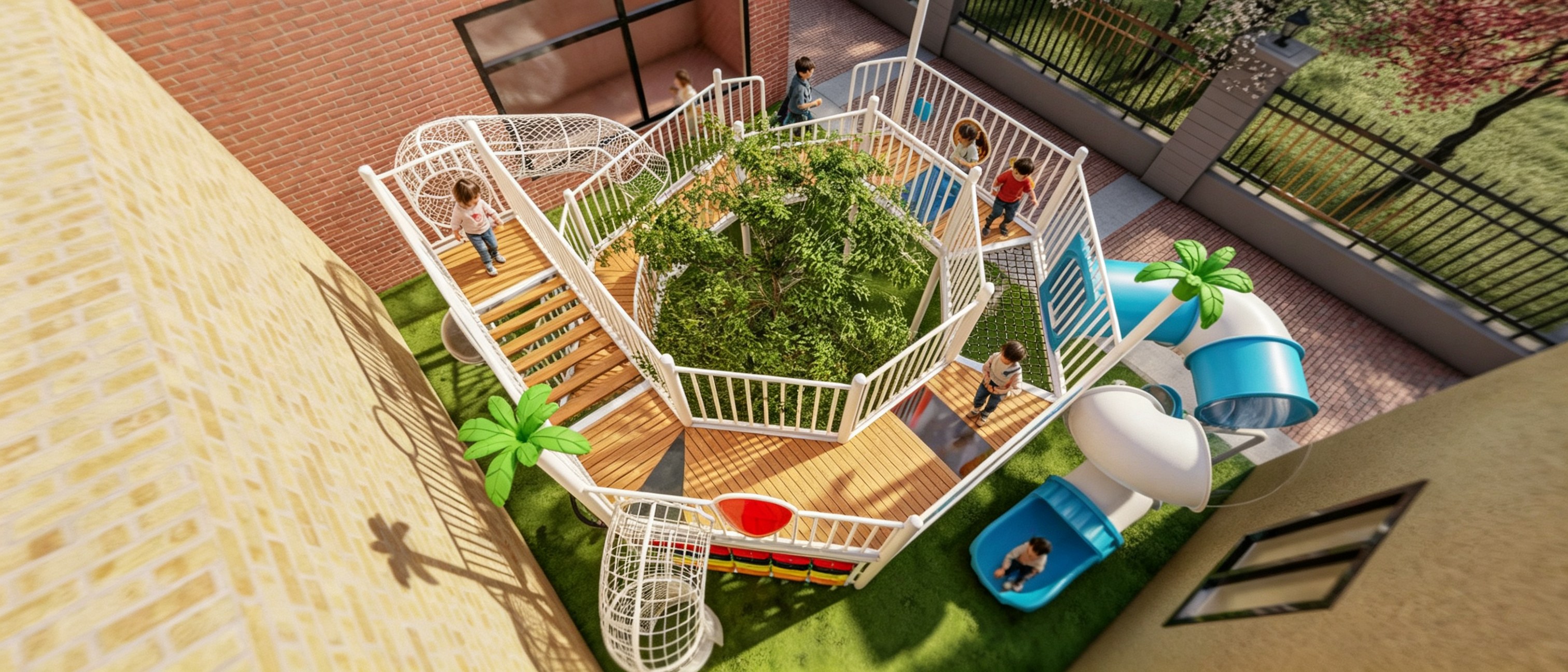
Playground Color Design: More Wonder, Less Visual Noise
QUICK ANSWER Playground color design works best when each color has a purpose. Start with the setting and children’s activities, establish a coherent background, then use stronger accents for selected play features and recognizable destinations. Review contrast, sensory preferences, daylight, materials and maintenance together. A memorable play space can be vivid without making every surface…
-
·
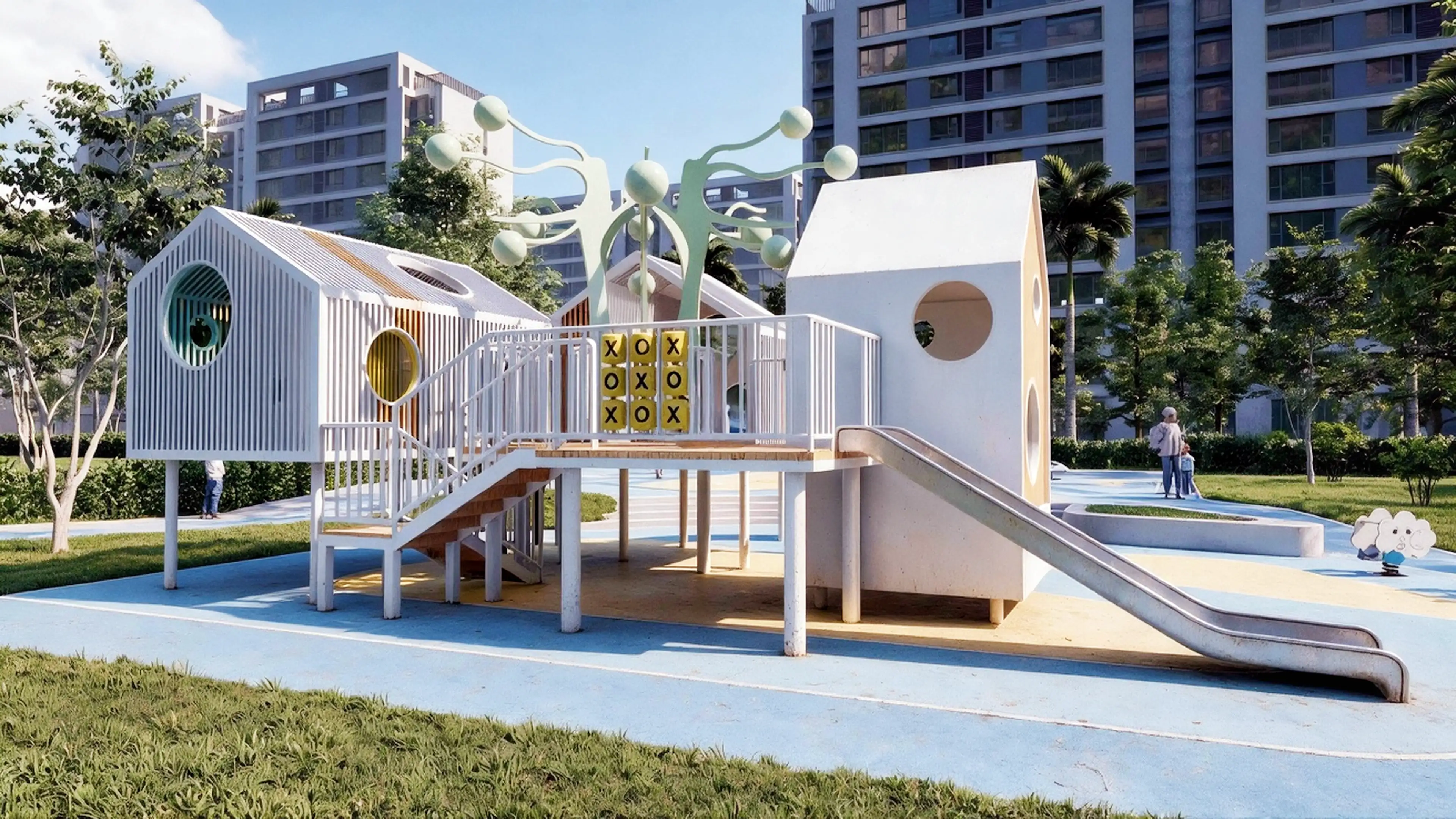
Outdoor Playground Safety: What Really Makes a Play Area Safer?
QUICK ANSWER Outdoor playground safety depends on the whole installed system: age-appropriate equipment, controlled entrapment and moving-part hazards, suitable fall protection, tested surfacing, appropriate materials, correct installation and sustained inspection. A protective cover or certificate addresses only part of that system. Buyers should connect the exact equipment configuration to the destination’s requirements, the site layout…
-
·
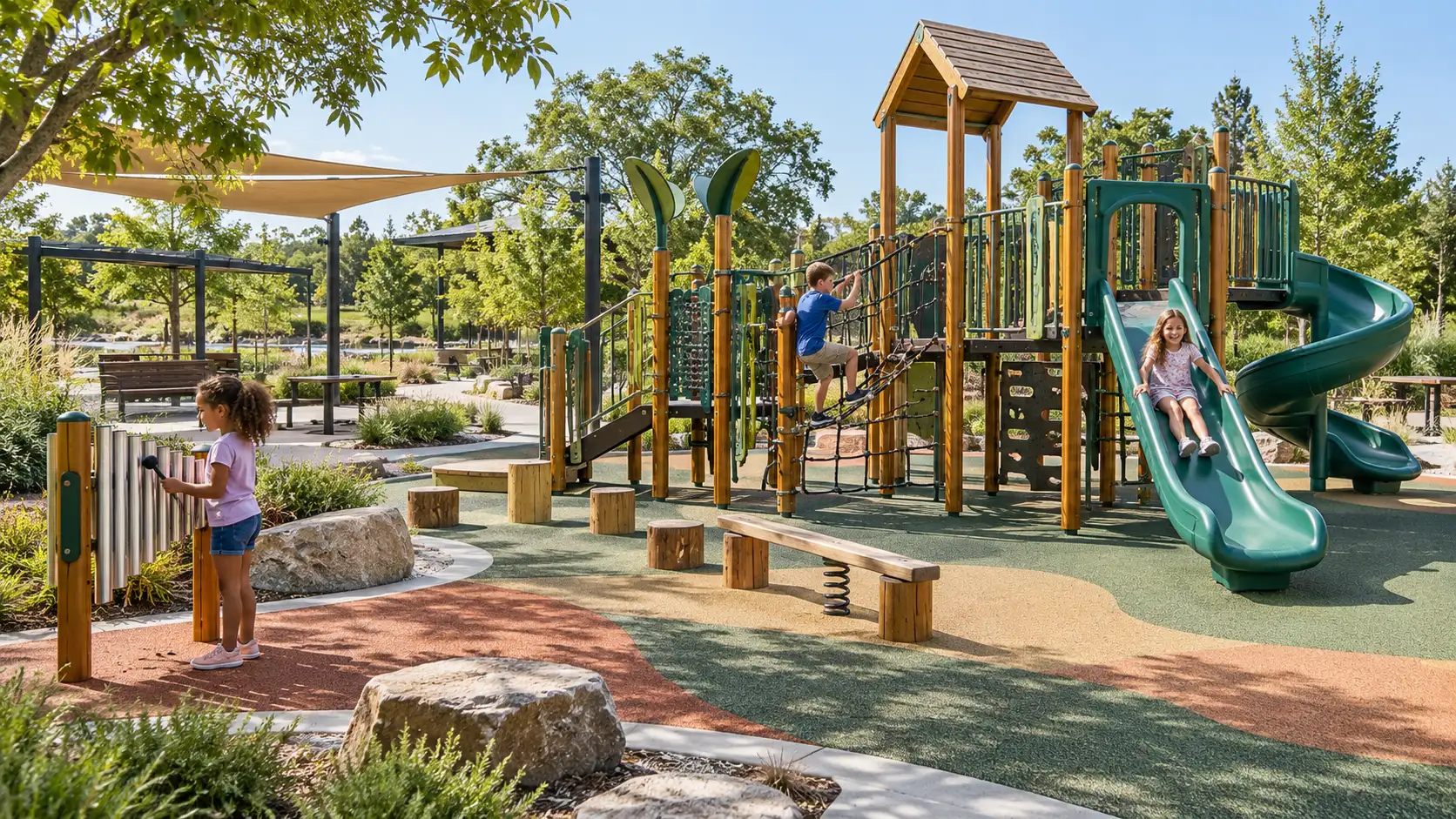
How to Design an Outdoor Playground Children Want to Return To
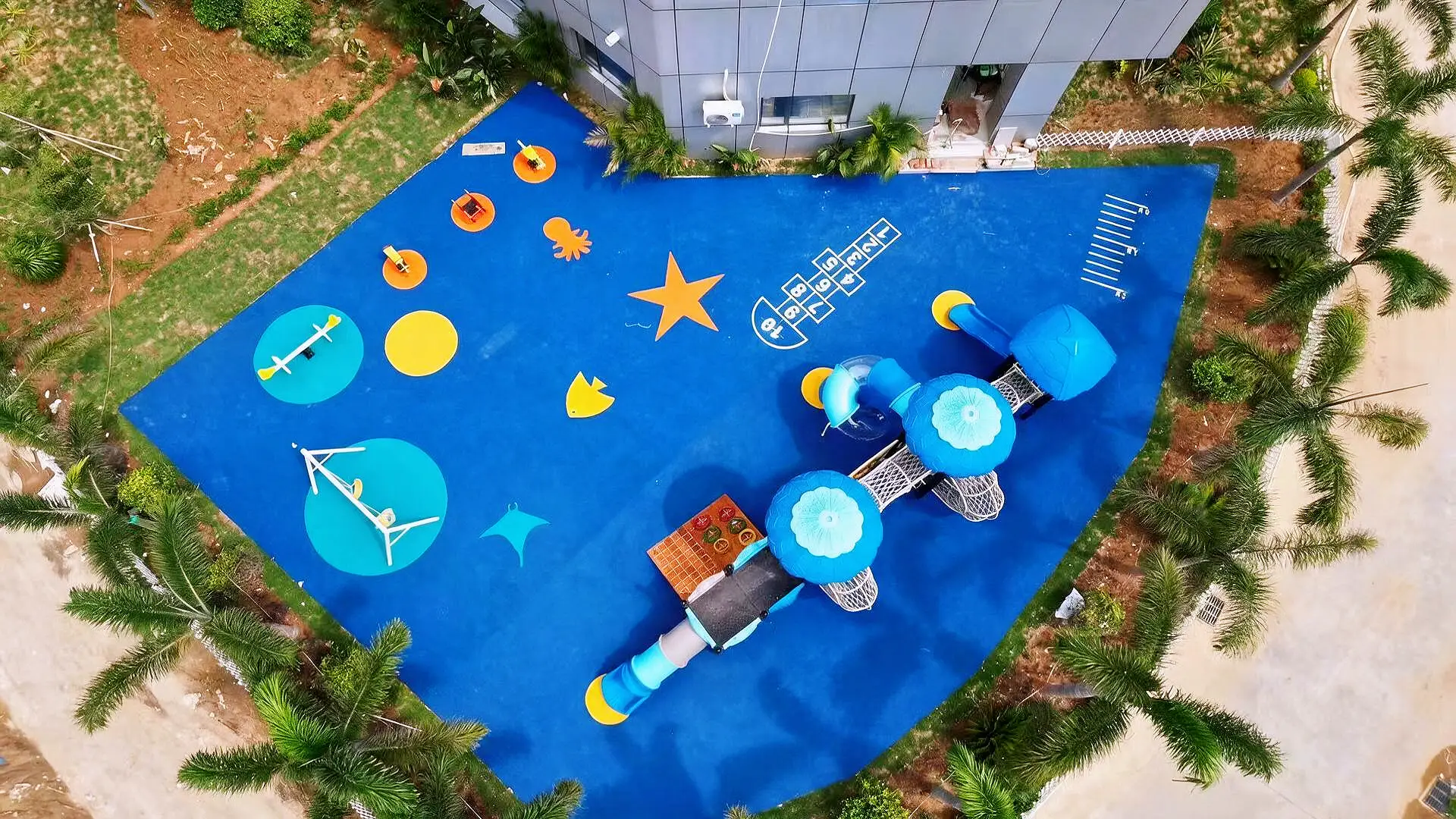
Outdoor Playground Design Guide How to Design an Outdoor Playground Children Want to Return To A practical guide to age zoning, equipment combinations, capacity, use zones, surfacing, materials and project delivery—from AegisPlay, a commercial playground manufacturer and project solutions partner. Quick answer A playground children love gives them meaningful choices: a clear route, more than…
-
·
Coastal Playground Equipment: Choosing Materials for Salt Air
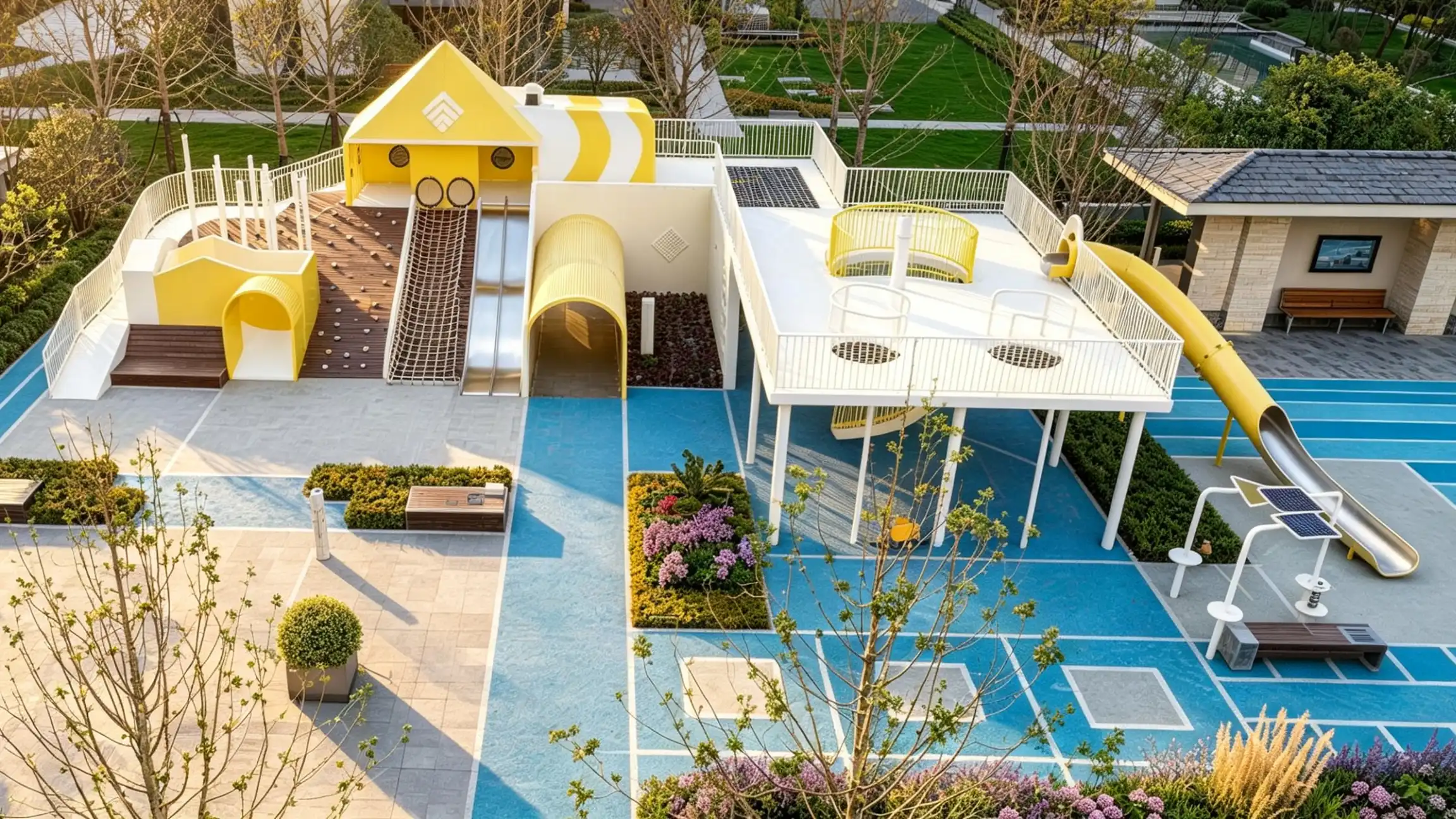
QUICK ANSWER Coastal playground equipment needs a project-specific corrosion strategy because salt, humidity and wet-dry cycles can accelerate damage. The right answer is rarely one material for every component. Define the exposure, critical parts, protective system and maintenance plan before comparing galvanized steel, 304 stainless steel and 316 stainless steel. A playground beside a beach,…
-
·
Inclusive Playground Cost: What Determines Your Project Budget?
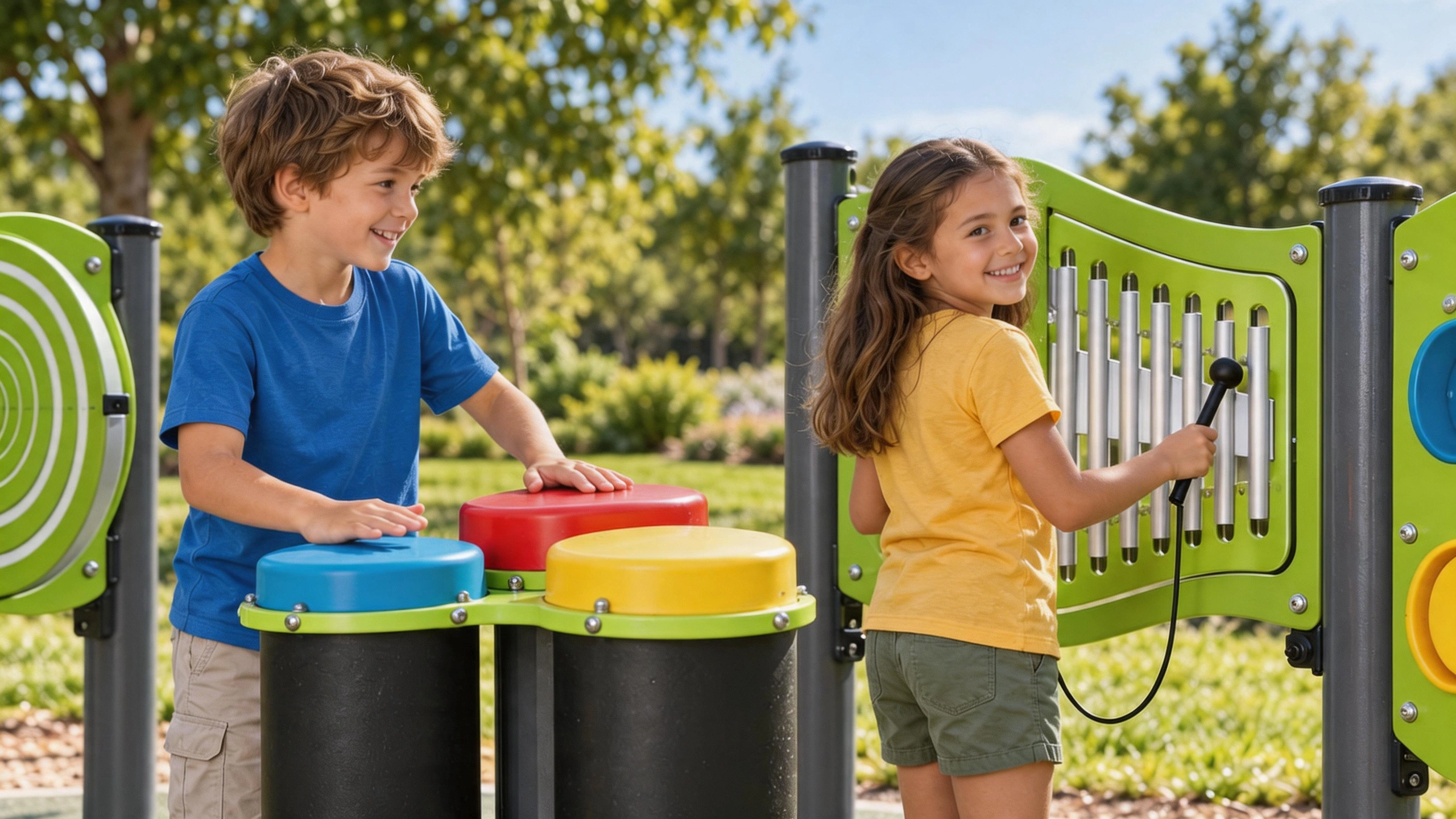
Quick Answer Inclusive playground cost cannot be estimated reliably from site area alone. A useful budget must define the equipment package, accessible circulation and play choices, safety surfacing area, site and civil work, delivery destination, installation scope, professional services and risk allowances. Two 500 m² sites can therefore have very different total project costs. This…
-
·
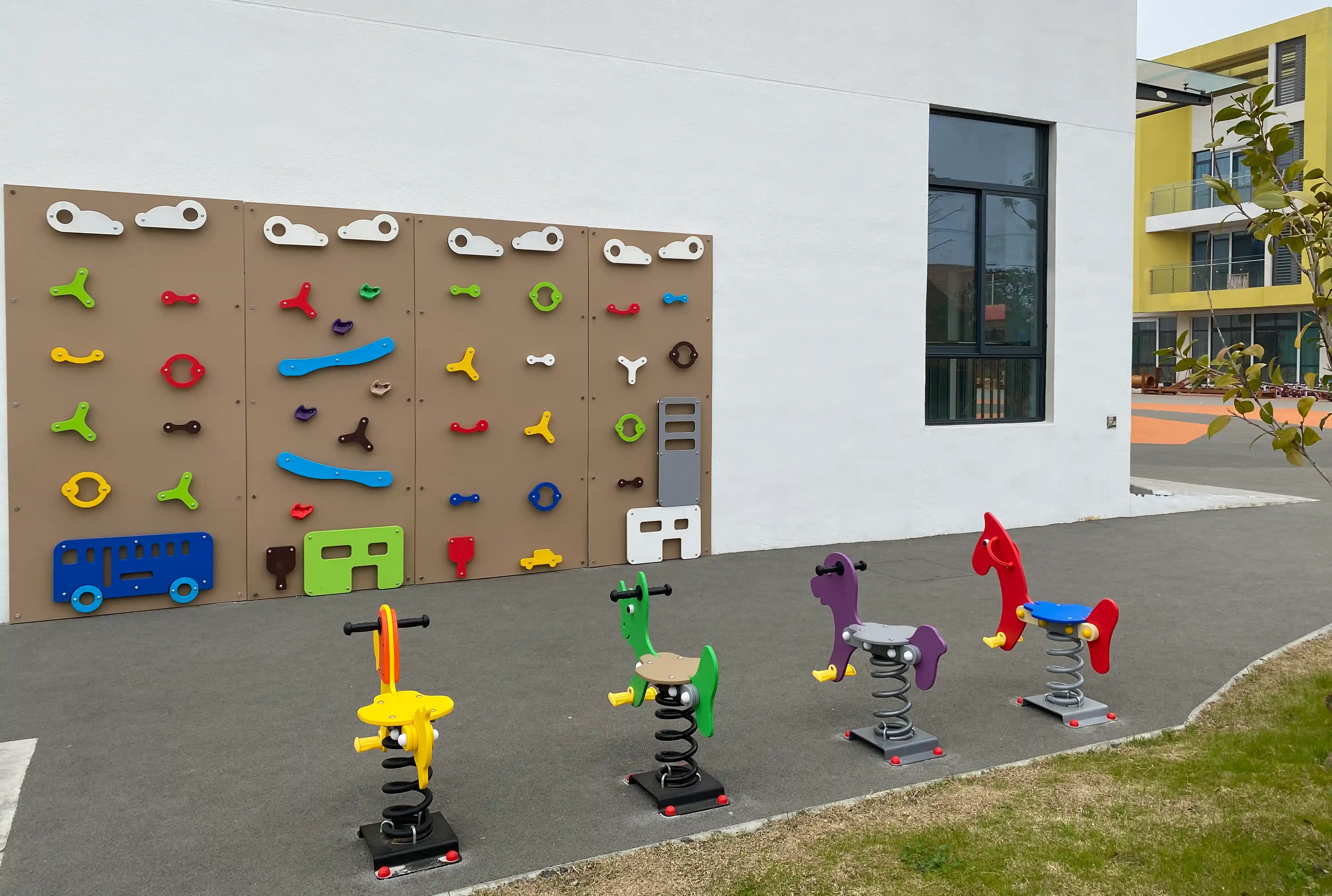
Freestanding Play Structures: Benefits, Types & Buyer Tips
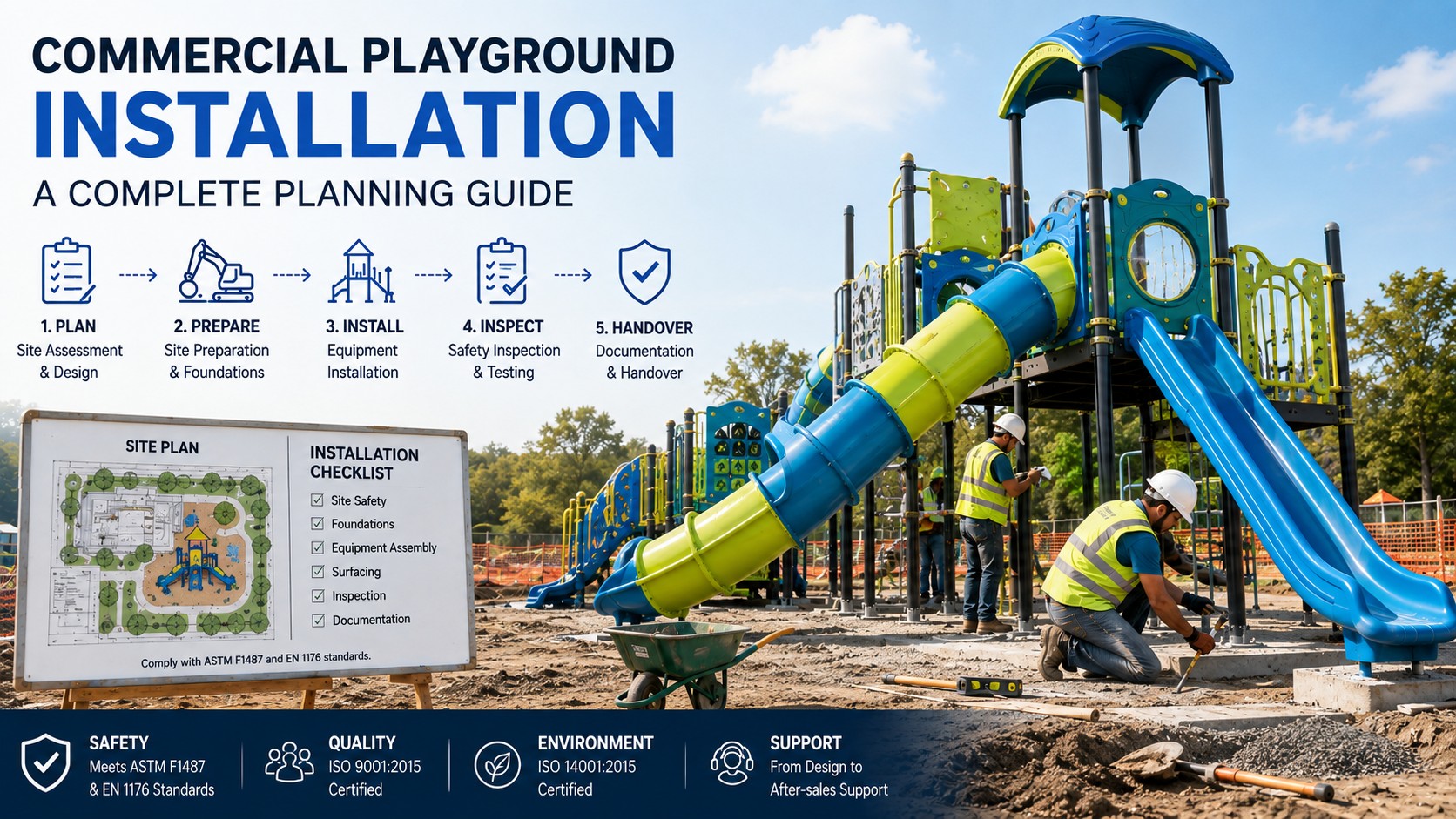
Quick Answer: Freestanding play structures are independent playground components such as swings, slides, climbers, spring riders, spinners, activity panels and musical instruments. They give commercial playground planners flexibility to add specific play experiences or expand an existing site. However, “freestanding” does not mean portable: foundations, use zones, surfacing, circulation, accessibility, installation and maintenance still need…
-
·
Commercial Playground Installation: A Complete Planning Guide
Commercial playground installation is not simply the assembly of equipment after delivery. For landscape architects, playground specialists, council planners and commercial buyers, a successful project depends on decisions made well before the installation crew arrives: site readiness, layout coordination, safety zones, foundations, applicable standards, supplier documentation, logistics, inspection and handover. This guide provides a practical…
-
·
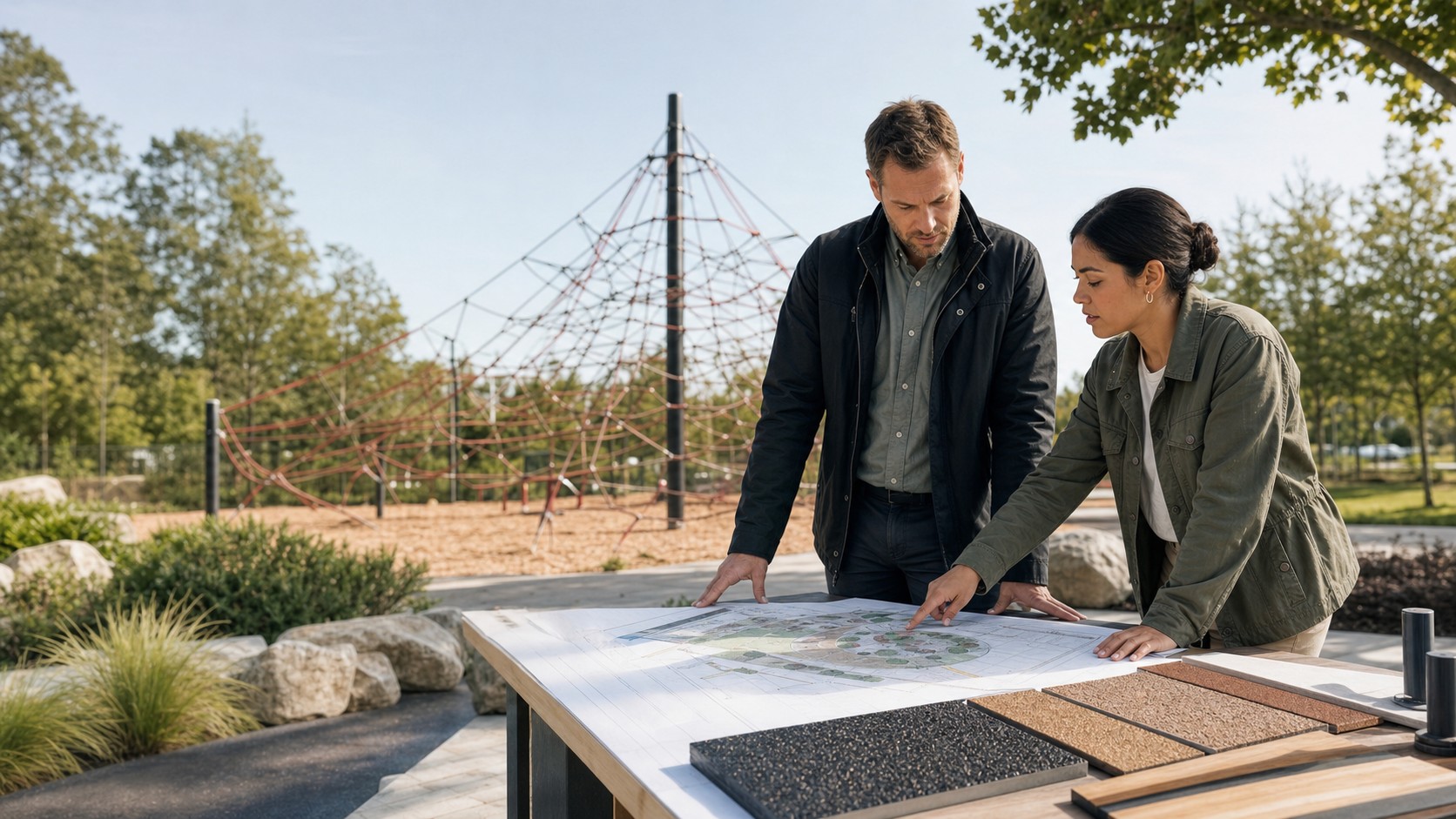
Plan a Rope Playground Project: Step-by-Step Guide
A successful rope playground project is not defined by an impressive climber alone. Landscape Architects, Playground Specialists, and Council Planners must reconcile site constraints, inclusive access, safety expectations, procurement rules, and long-term maintenance before installation begins. This playground planning guide sets out a practical route from early brief to handover, helping teams make informed decisions…
-
·
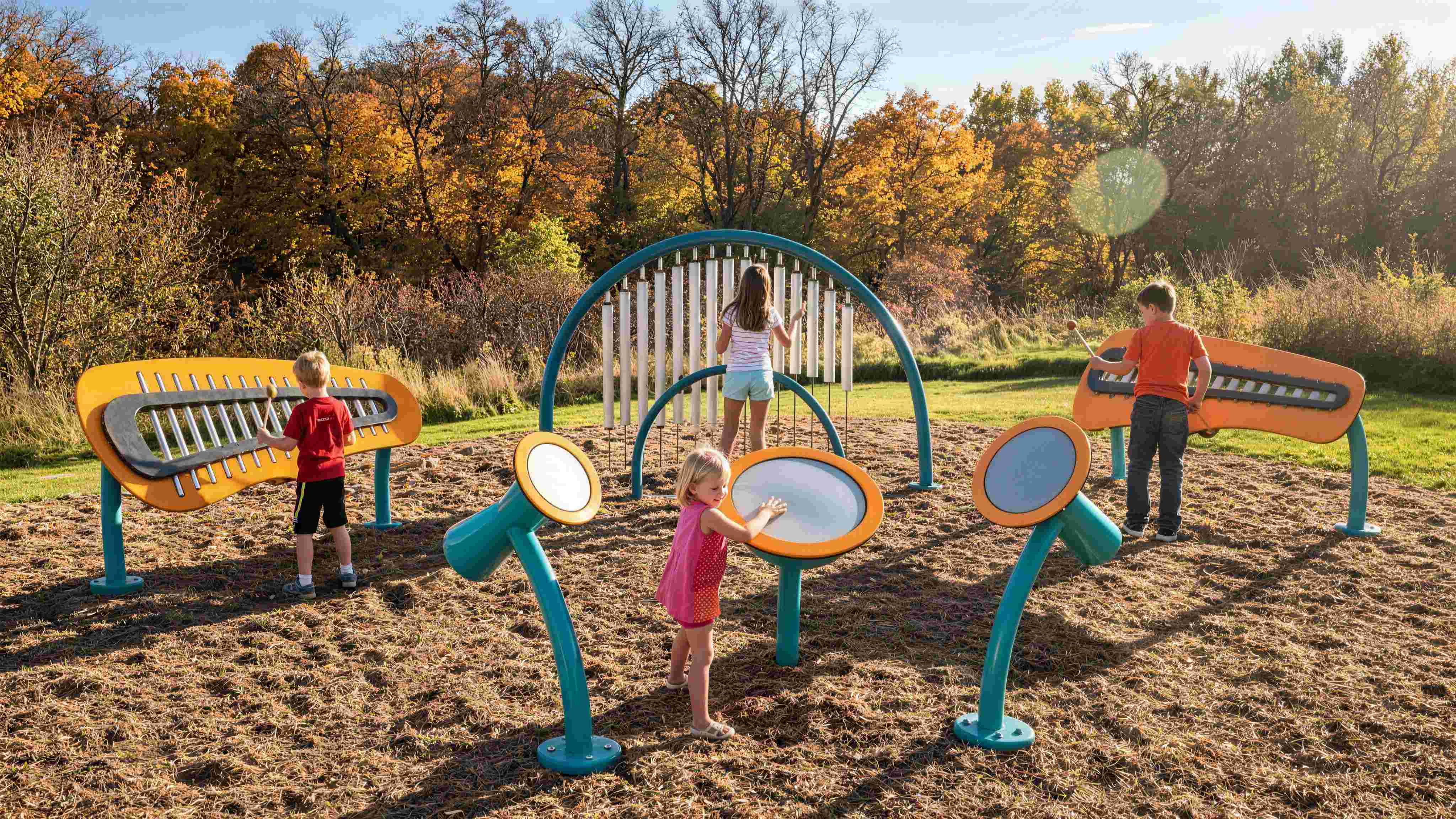
Outdoor Instruments: How to Design a Public Music Trail
Outdoor Instruments can turn an ordinary park route into a participatory public-space experience, but a successful music trail takes more than placing chimes beside a path. Landscape Architects, Playground Specialists, and Council Planners must coordinate circulation, accessible participation, sound, materials, safety, and future maintenance. This guide provides a practical framework for specifying outdoor musical experiences…
-
·
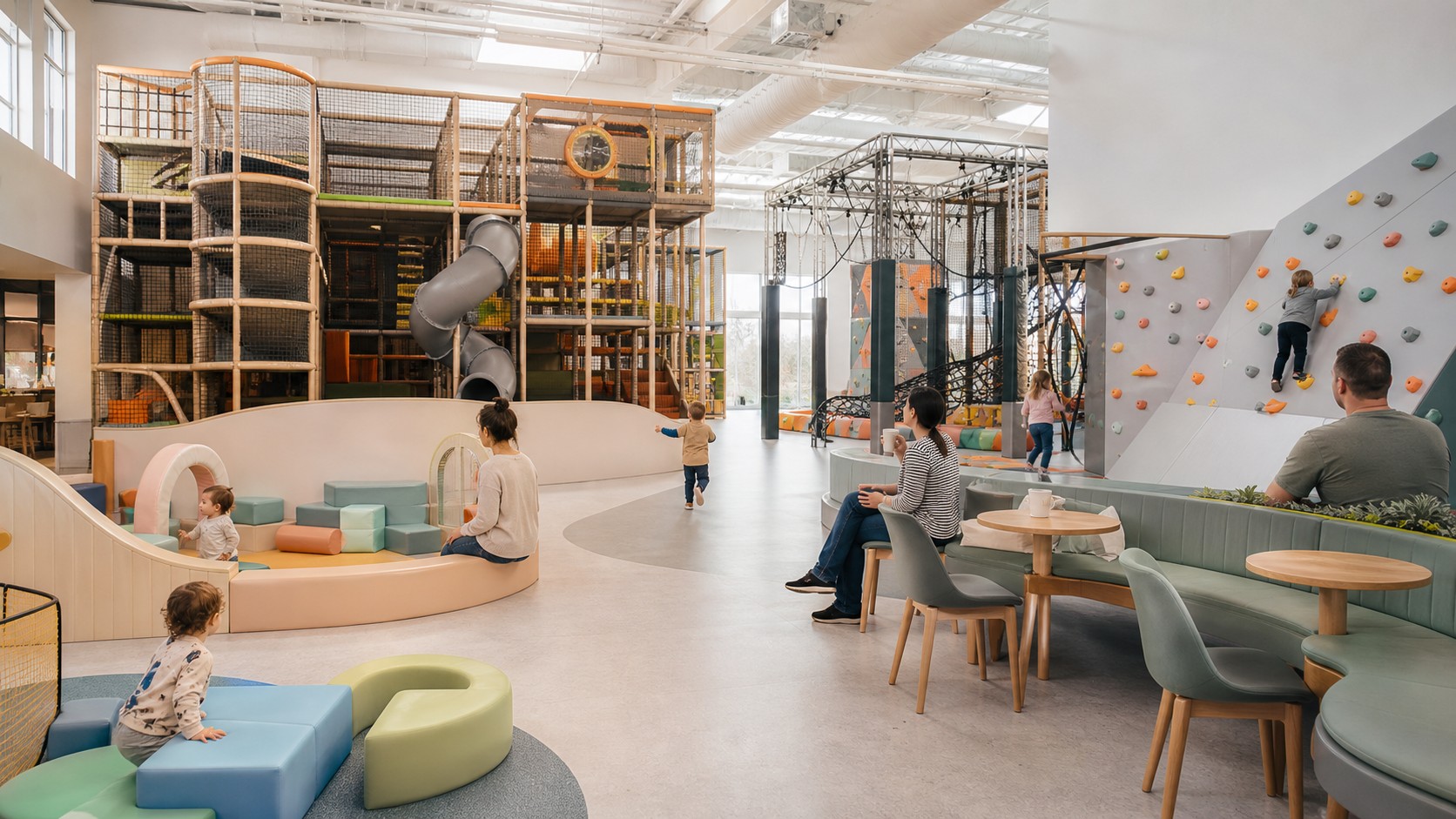
Turnkey FEC Center Design: A Psychology-Informed Guide
QUICK ANSWER Turnkey FEC center design should coordinate the operating model, site constraints, attraction mix, guest and staff flow, accessibility, equipment requirements, installation interfaces and handover documents before procurement is fixed. “Turnkey” does not mean every item is automatically included. It means responsibilities, exclusions and decision points are documented under one coordinated project scope. This…